

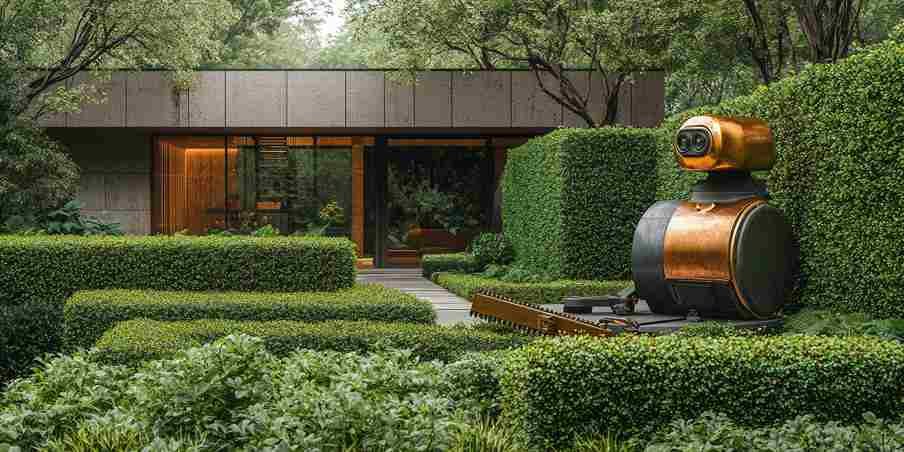
Got a tiny backyard that feels more like a postage stamp than a private retreat? You’re far from alone. With urban homes and new builds shrinking lot sizes across the United States, more homeowners than ever are searching for the best backyard landscaping ideas for small spaces. But here’s the good news: with the right design strategies, you can transform even the smallest yard into a lush, multi-functional oasis that feels expansive and inviting.
The latest Houzz 2025 report shows that 70% of homeowners now prioritize making the most of their small yards—focusing on multi-functional spaces, vertical gardening, and low-maintenance plants. Why? Compact, well-designed backyards can boost property value by 10–15%, reduce stress, and create a private escape from urban noise and crowds. Even a few simple updates (like adding a vertical garden or cozy patio nook) can yield outsized returns for your quality of life and your wallet.
In this comprehensive guide, you’ll discover 20+ of the best backyard landscaping ideas for small spaces, each packed with space-saving tips, DIY steps, and expert advice. From vertical planters and clever hardscaping to budget-friendly lighting and low-maintenance plants, these ideas are easy to implement—no landscape architect required. Ready to maximize your yard’s potential? Let’s dig in.
Why Small Backyard Landscaping Matters
Challenges and Opportunities of Small Spaces
Urban and suburban living often means making the most of every square foot. Small backyards present unique challenges: limited space, privacy concerns, noise from neighbors, and sometimes tricky sunlight patterns. But these constraints also unlock creative opportunities. With careful planning, you can enjoy outdoor dining, gardening, and relaxing—all in a footprint smaller than a two-car garage.
Benefits of Smart Small Backyard Landscaping
- Multifunctionality: Vertical gardens, built-in benches, and layered beds maximize every inch.
- Eco-Friendliness: Native plants and efficient layouts save water and attract pollinators. According to the EPA WaterSense program, smart landscaping can cut outdoor water use by up to 50%.
- ROI: Realtor.com data shows that even modest backyard upgrades can deliver a 200% return on investment—especially in urban areas where outdoor space is at a premium.
- Lifestyle: A well-designed yard boosts relaxation, privacy, and family time.
Visual Inspiration
Imagine a before-and-after: a patchy, unused patch of grass transformed into a vibrant retreat with a bistro table, green walls, and flowering vines. Small changes, big difference!
Planning Your Small Space Oasis
Step 1: Assess Your Space
Start with a tape measure and a notepad. Measure your yard, noting odd angles or obstacles. Observe sun and shade patterns throughout the day, and check your soil type (many free apps like iScape or Garden Planner can help).
Step 2: Define Your Goals
What do you want from your backyard? Options might include:
- A quiet reading nook
- Space for kids or pets
- Outdoor dining for four
- Homegrown herbs and veggies
List your must-haves versus nice-to-haves to avoid crowding your plan.
Step 3: Set Your Budget
Small backyards are surprisingly affordable to overhaul. Expect to spend:
- DIY basics: $500–$1,000 (pavers, planters, paint)
- Mid-range: $2,000–$3,000 (pergola, raised beds, quality seating)
- Professional: Up to $5,000 for top-tier design/build
Step 4: Design Principles for Small Spaces
- Scale: Opt for compact furniture and plants.
- Symmetry: Balanced layouts make small yards feel organized.
- Layers: Use ground covers, mid-height shrubs, and taller accents for depth.
- Rule of Thirds: Divide space visually with pathways or planting beds.
Pro Tip: Use Free Digital Tools
Platforms like SketchUp or the Better Homes & Gardens Plan-a-Garden let you drag and drop features before buying supplies.
Top Backyard Landscaping Ideas for Small Spaces
Here are 10 flagship ideas to maximize function and style in any small backyard. Each suggestion includes practical steps, costs, and pros/cons to help you decide.
1. Vertical Gardens
Description: Wall-mounted planters or trellis systems let you grow flowers, herbs, or even veggies without sacrificing floor space.
Pros: Adds greenery, improves privacy, easy to water.
Cons: May need extra irrigation in hot climates.
DIY Steps: Attach modular planters to fences or walls. Fill with lightweight potting mix and trailing plants.
Estimated Cost: $50–$200.
Image Alt: “best backyard landscaping ideas for small spaces using vertical planters”
2. Container Gardening Clusters
Description: Arrange pots of different heights in clusters or on tiered plant stands for a flexible, movable garden.
Pros: Easy to rearrange, ideal for renters.
Cons: Can dry out quickly in summer.
DIY Steps: Group containers by color or height. Use lightweight soil and add wheels for easy mobility.
Estimated Cost: $30–$150.
3. Multi-Functional Patios
Description: Gravel or paver bases with built-in benches or storage create a space for dining, lounging, or play.
Pros: Durable, year-round usability.
Cons: Installation may require leveling ground.
DIY Steps: Lay a weed barrier, add gravel or pavers, anchor benches.
Estimated Cost: $200–$1,000.
4. Raised Garden Beds
Description: Compact, waist-high beds for vegetables, herbs, or flowers.
Pros: Easier to maintain, deters pests.
Cons: Initial setup cost and labor.
DIY Steps: Build beds from wood or composite, fill with soil, plant in rows or blocks.
Estimated Cost: $100–$400.
5. Pergola or Arbor Focal Points
Description: Add vertical drama and shade with a simple pergola or wooden arbor.
Pros: Defines zones, supports vines.
Cons: Needs periodic sealing or painting.
DIY Steps: Install posts in concrete, add crossbeams, plant climbing vines.
Estimated Cost: $250–$900.
6. Hammock or Swing Zones
Description: No room for a full lounge set? A hammock or hanging chair creates a cozy retreat.
Pros: Affordable, easy to install.
Cons: Needs sturdy anchor points.
DIY Steps: Secure to trees or install posts; add weather-resistant cushions.
Estimated Cost: $50–$200.
7. Pea Gravel Pathways
Description: Simple, permeable paths define areas and guide movement.
Pros: Inexpensive, easy to lay.
Cons: Not ideal for high heels or wheeled items.
DIY Steps: Remove sod, lay landscape fabric, pour and rake pea gravel.
Estimated Cost: $2–$4 per square foot.
8. Fire Pit Corners
Description: Create a small gathering spot with a portable fire pit and a few chairs.
Pros: Year-round appeal, easy to install.
Cons: Check local fire codes.
DIY Steps: Place fire pit on gravel or pavers, add seating.
Estimated Cost: $100–$500.
9. Outdoor Rugs and Cushions
Description: Add color and comfort instantly with weatherproof rugs and pillows.
Pros: No installation, endless style options.
Cons: May need cleaning after storms.
DIY Steps: Roll out the rug, arrange cushions on benches or chairs.
Estimated Cost: $40–$150.
10. Mirror Illusions
Description: Hang outdoor-safe mirrors on fences or walls to reflect light and visually double your space.
Pros: Brightens shady corners, expands views.
Cons: Keep out of direct sun to avoid glare.
DIY Steps: Mount securely at eye level, angle to reflect greenery.
Estimated Cost: $30–$100.
Planting Strategies for Tiny Yards
Best Low-Maintenance Plants for Small Backyards
- Perennials: Lavender, hostas, and daylilies offer color with minimal care.
- Vines: Clematis or climbing roses cover fences beautifully.
- Succulents: Sedum, hens-and-chicks thrive in containers and rock gardens.
- Dwarf shrubs: Boxwood, hydrangea ‘Little Lime’ stay compact.
- Edibles: Herbs like basil and thyme work well in pots or raised beds.
Design Tips for Small-Space Planting
- Color Blocking: Group plants with similar colors for bold impact.
- Pollinator-Friendly Natives: Attract butterflies and bees.
- Layering: Place tallest plants at the back, mid-height in the center, and ground covers in front.
Seasonal Planting Calendar
| Season | Top Plants | Care Tips |
|---|---|---|
| Spring | Tulips, pansies | Plant bulbs in fall, fertilize early |
| Summer | Petunias, zinnias | Water weekly, deadhead blooms |
| Fall | Mums, ornamental kale | Mulch and protect from frost |
| Winter | Evergreen boxwood | Prune for shape, minimal water |
Hardscaping Essentials
Space-Saving Hardscape Features
- Pavers: Durable, attractive, and fit any layout.
- Decomposed Granite: Great for walkways and patios—permeable and budget-friendly.
- Modular Decking: Snap-together tiles for instant patio upgrades.
- Stepping Stones & Borders: Define beds or create winding paths.
DIY Patio Installation Steps
- Mark out your patio area with stakes and string.
- Excavate 4–6 inches of soil and level the ground.
- Add a base layer of gravel, tamp down, then lay sand.
- Set pavers or tiles in place, filling gaps with sand or gravel.
- Edge with bricks or metal for a finished look.
Cost Comparison Table
| Material | Cost per Sq Ft | Lifespan |
|---|---|---|
| Concrete Pavers | $5–$10 | 20+ years |
| Pea Gravel | $2–$4 | 5–10 years |
| Modular Decking | $6–$12 | 15+ years |
Lighting and Accessories to Elevate Your Design
Space-Smart Lighting Ideas
- Solar Path Lights: Line walkways or bed edges for safety and ambiance.
- String Lights: Drape overhead or along fences for a festive, cozy glow.
- Spotlights: Uplight trees or architectural features to create drama.
Must-Have Accessories
- Bird Feeders: Attract songbirds for natural entertainment.
- Fountains: Mask street noise with gentle water sounds.
- Outdoor Art: Weatherproof sculptures, painted pots, or wall hangings.
Tips for Layered Lighting
Combine ambient (string lights), task (spotlights), and accent (solar) lighting for a professional look and all-hours usability.
Budget and Maintenance Tips
Budget-Friendly Ideas by Tier
- Under $500: DIY planters, gravel paths, thrifted furniture.
- $500–$1,000: Add a fire pit, raised beds, or simple pergola.
- $1,000+: Professional patio install, built-in seating, custom lighting.
Space-Saving Maintenance Hacks
- Drip Irrigation: Water plants efficiently and save time.
- Mulch: Reduces weeds and conserves moisture.
- Choose Perennials: Less replanting, less work.
Avoid These Common Mistakes
- Overplanting: Leave space for growth and movement.
- Ignoring Drainage: Prevent soggy spots with gravel or raised beds.
- Neglecting Sun Patterns: Place shade plants in shady spots and sun-lovers in the sun.
Conclusion
The best backyard landscaping ideas for small spaces prove that size doesn’t have to limit style. With a little creativity and strategic planning, you can design a backyard that feels welcoming, functional, and tailored to your lifestyle—no matter how compact your yard may be.
Start with a single change (like a vertical planter or cozy patio corner) and watch your outdoor space transform. Ready to get started? Share your before-and-after photos or questions in the comments below!
For more inspiration, check out our guides on front yard landscaping and balcony gardening for urban homes.
FAQs
What are the best backyard landscaping ideas for small spaces on a budget?
Container gardens, gravel paths, and thrifted furniture can all transform a small yard for under $200.
How do I maximize sunlight in small yards?
Use vertical planters, mirrors, and light-colored surfaces to reflect and increase sunlight.
What plants work best for small backyard landscaping ideas?
Try lavender, hostas, dwarf boxwood, clematis vines, and sedum.
Can I DIY these best backyard landscaping ideas for small spaces?
Absolutely! Nearly 80% of these ideas are beginner-friendly and require only basic tools.
How do I create privacy in a tiny backyard?
Tall planters, trellises with vines, and outdoor curtains offer instant privacy.
What’s the easiest way to add color to a small yard?
Use bright outdoor rugs, cushions, and flowering annuals in pots.
How do I keep maintenance low?
Select drought-resistant perennials, install drip irrigation, and mulch regularly.
Are fire pits safe in small spaces?
Yes, if placed on non-flammable surfaces and away from overhangs—always check local codes.
How often should I water container plants in summer?
Usually every 2–3 days; check soil moisture regularly.
Do vertical gardens need special care?
They may need more frequent watering and occasional fertilizer, but are generally easy to manage.
