

A New Era for the Multi-Cam Sitcom
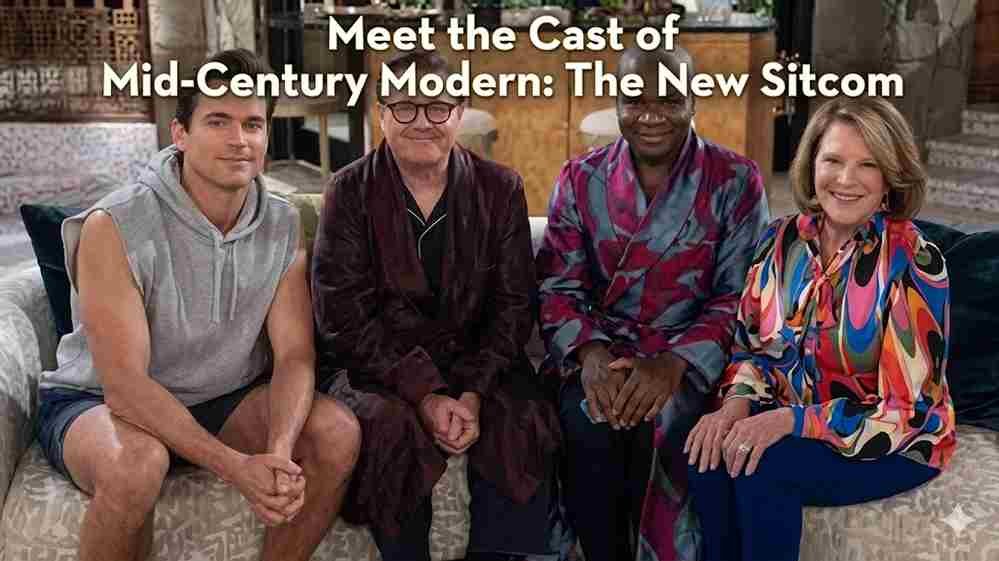
Is the classic multi-cam sitcom making a comeback? With the arrival of Hulu’s Mid-Century Modern, the answer is a resounding yes. The cast of Mid-Century Modern brings together some of the most celebrated names in television and Broadway, promising a fresh yet nostalgic take on the beloved sitcom format. Set in sun-drenched Palm Springs, the show follows three gay best friends—Bunny, Jerry, and Arthur—who, after the loss of a close companion, decide to form a “chosen family” and live together. Their dynamic is further complicated (and enriched) by the presence of Bunny’s mother, Sybil, whose sharp wit and maternal instincts keep everyone on their toes.
From the very first episode, viewers are transported into a world where retro-chic design meets modern humor, and where the bonds of friendship are as strong as the martinis poured at cocktail hour. The cast of Mid-Century Modern is already being hailed as a modern-day Golden Girls—not just for its premise of seniors living together, but for its ability to blend heart, humor, and a dash of irreverence. With a pedigree that includes creators Max Mutchnick and David Kohan (Will & Grace) and executive producer Ryan Murphy, the show is both a love letter to classic sitcoms and a bold step forward in LGBTQ+ representation.
Key Takeaways
- Mid-Century Modern premiered on Hulu on March 28, 2025, with all 10 episodes released at once.
- The show earned an 88% score on Rotten Tomatoes and was praised for its sharp writing and ensemble chemistry.
- Despite critical acclaim, it was canceled after one season.
- Created by Max Mutchnick and David Kohan (Will & Grace), with Ryan Murphy as executive producer and James Burrows directing.
- The cast of Mid-Century Modern is often described as a “gay Golden Girls.”
- Linda Lavin, who played Sybil, passed away in December 2024 after filming seven episodes; her character’s departure is addressed in episode nine.
- The show’s retro-chic Palm Springs setting and mid-century modern aesthetic are central to its vibe and humor.
The Powerhouse Leads
Nathan Lane as Bunny McGinty
Nathan Lane’s career is a masterclass in comedic brilliance and emotional depth. He first captured the world’s attention as Albert Goldman in The Birdcage (1996), a role that showcased his ability to blend flamboyance with genuine vulnerability. Lane’s Broadway legacy is legendary: he won Tony Awards for A Funny Thing Happened on the Way to the Forum (1996), The Producers (2001), and Angels in America (2018), demonstrating his range from musical farce to searing drama. On television, Lane’s turn in Only Murders in the Building earned him a Primetime Emmy Award in 2022, further cementing his status as a comedic powerhouse.
Lane’s comedic style is theatrical and larger-than-life, built on rapid-fire wit, impeccable timing, and a willingness to embrace both bravado and pathos. In Mid-Century Modern, he plays Bunny McGinty—a successful businessman “forever in search of love but needs to be convinced he’s worthy of it.” Lane’s ability to oscillate between showmanship and sincerity makes Bunny a character who is both hilarious and deeply relatable. His presence anchors the ensemble, providing the dramatic heft and emotional complexity that drive the show’s central storylines.
Lane’s own words about the show capture its spirit: “It’s not your grandma’s situation comedy. It’s an R-rated multicam on Hulu. It’s sort of nostalgic, because it’s reminiscent of all those shows we grew up on, but it also has an outrageous side and naughty, saucy, gay take on things.” His performance as Bunny is a testament to his enduring appeal and his unique ability to make audiences laugh and feel in equal measure.
Matt Bomer as Jerry Frank
Matt Bomer’s journey to sitcom stardom is a study in versatility. He began his career in soap operas like All My Children and Guiding Light, but it was his role as Neal Caffrey in White Collar (2009–2014) that made him a household name. As Caffrey, Bomer displayed a blend of charm, wit, and comedic timing that made the show a hit. He then pivoted to drama with The Normal Heart (2014), earning a Golden Globe Award for his portrayal of Felix Turner, and later starred in the emotionally charged Fellow Travelers (2023).
Bomer is also known for his advocacy work, having come out publicly in 2012 and used his platform to support LGBTQ+ rights and HIV/AIDS awareness. In Mid-Century Modern, he plays Jerry Frank—described as “pure of heart, hard of body and soft of head.” Jerry is the innocent, romantic soul of the trio, whose earnestness and warmth ground the group. Bomer’s experience in both comedy (White Collar) and drama (Fellow Travelers) makes him uniquely equipped for the sitcom format, allowing him to bring depth and nuance to Jerry’s character.
Bomer himself has said, “Here’s a show that’s about found family. We all need to be seen and accepted and loved for our most authentic selves.” His involvement in the show draws a broad cross-demographic audience, appealing to fans of his dramatic work as well as those seeking heartfelt, inclusive comedy.
Nathan Lee Graham as Arthur
Nathan Lee Graham is a true original—a Grammy Award-winning performer whose career spans film, television, and Broadway. He is perhaps best known for his role as Todd in Zoolander (2001) and Zoolander 2 (2016), where his fashion-forward sensibility and razor-sharp comedic timing stole every scene. On stage, Graham originated roles in the Tony-nominated musicals The Wild Party and Priscilla, Queen of the Desert, and his work in The View UpStairs earned him a Lucille Lortel nomination.
Graham’s unique comedic style blends flamboyance, wit, and a keen sense of timing. He has appeared in TV shows like The Comeback, Scrubs, and Broad City, and was honored with the Critics’ Choice Association’s 2025 Vanguard Award for his performance in Mid-Century Modern and his advocacy for LGBTQ+ representation.
As Arthur, Graham plays the fashionable, witty soul of the house. His role is to balance Bunny’s dramatic excess and Jerry’s earnest innocence with his own sharp, sophisticated flair. Graham’s background in high-camp comedy and musical theater informs Arthur’s character, making him both the observer and the instigator in the group’s dynamic. His presence adds a layer of style and subversive humor that elevates every scene.
The Supporting Ensemble and Guest Stars
Linda Lavin as Sybil Schneiderman
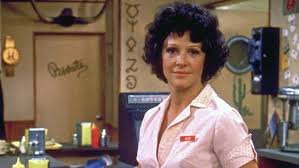
Linda Lavin’s legacy in television is unmatched. Best known for her nine-season run as Alice Hyatt in the CBS sitcom Alice (1976–1985), Lavin became a household name and earned two Golden Globe Awards and an Emmy nomination for her work. Her stage career is equally impressive, with six Tony nominations and a win for Broadway Bound (1987), as well as three Drama Desk Awards.
In Mid-Century Modern, Lavin plays Sybil Schneiderman—Bunny’s mother, who is wise, caring, critical, and smothering all at once. Her character draws direct comparisons to Estelle Getty’s Sophia Petrillo in The Golden Girls: both are the older maternal figure whose sharp tongue provides comic relief and unexpected wisdom. Lavin’s return to the sitcom format was widely celebrated, and her performance as Sybil brought both heart and humor to the ensemble.
Tragically, Linda Lavin passed away in December 2024 after completing filming on seven of the ten episodes. The show’s creative team honored her by writing her character’s departure into episode nine, titled “Here’s to You, Mrs. Schneiderman.” This poignant tribute adds emotional weight to the series and underscores Lavin’s enduring impact on television.
The Ryan Murphy Players
One of the hallmarks of Ryan Murphy’s productions is the recurring presence of familiar faces—the so-called “Ryan Murphy Players.” Across shows like American Horror Story, Pose, and The Politician, Murphy has cultivated a stable of top-tier talent who frequently appear in his projects. While specific guest cameos in Mid-Century Modern were not publicly detailed prior to release, the creative infrastructure Murphy brings tends to attract star power even in minor roles. This tradition gives each episode an electric, star-studded quality, with viewers eagerly anticipating surprise appearances from beloved actors.
Character Interaction Map
The cast of Mid-Century Modern functions as a social ecosystem, with each character playing a distinct role in the Palm Springs household. Bunny, the dramatic and emotionally complex patriarch, drives the central storylines. Jerry, the warm and earnest romantic, grounds the group in sincerity. Arthur, the fashionable and witty observer, provides sardonic commentary and stylistic flair. Sybil, the maternal and sharp-tongued matriarch, serves as both the emotional anchor and the comedic foil to all three men. Together, they form the quintessential chosen family—a microcosm of Palm Springs’ vibrant social hierarchy.
The Creators: The Genius Behind the Casting
Ryan Murphy’s Midas Touch
Ryan Murphy’s influence on television is undeniable. As executive producer, he doesn’t just attach his name to projects—he shapes them from the ground up. Murphy’s casting instincts have defined prestige television for over a decade, with shows like Glee, American Horror Story, Pose, and The Crown setting new standards for ensemble storytelling. His involvement with Mid-Century Modern brought a level of ambition and star power to the project that a traditional network sitcom might never have achieved.
Murphy’s ability to assemble diverse, dynamic casts is a hallmark of his work. He has a knack for recognizing talent and creating roles that allow actors to shine, often pushing them into new creative territory. In Mid-Century Modern, his vision helped bring together a cast that is both a tribute to sitcom history and a bold step forward in representation.
Max Mutchnick and David Kohan
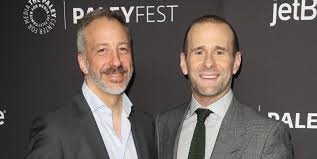
Max Mutchnick and David Kohan, the Emmy-winning creators of Will & Grace, wrote the pilot and served as showrunners for Mid-Century Modern. They conceived the series as a “gay Golden Girls”—an explicit homage to the 1985 NBC classic, but filtered through a contemporary LGBTQ+ lens. Mutchnick has spoken about the creative freedom that Hulu provided, saying the platform allowed them to “push the boundary” and sound “a little bit more like we all sound,” free from the constraints of traditional network censors.
Their experience with Will & Grace—a groundbreaking sitcom that brought LGBTQ+ characters into the mainstream—directly informs their approach to Mid-Century Modern. The show is both a celebration of chosen family and a reflection of the evolving landscape of television comedy.
The Chosen Family Theme
The concept of “chosen family” is at the heart of Mid-Century Modern. For many in the LGBTQ+ community, chosen family is not just a narrative device—it’s a lived reality, especially for those who came of age before mainstream acceptance. The show’s cast was assembled to authentically represent the aging LGBTQ+ experience, with each actor bringing their own history and perspective to the roles.
James Burrows, the legendary sitcom director behind Cheers, Friends, and Will & Grace, directed all 10 episodes, lending the show an irreplaceable authenticity of craft. His expertise in multi-cam comedy ensures that the ensemble’s chemistry and timing are always on point.
Visualizing the World: The Aesthetic of the Cast
Costume Design
The title Mid-Century Modern is more than just a setting—it’s a visual philosophy. The show’s costume design evokes the clean lines, bold colors, and luxurious fabrics of mid-century modern style. Each character’s wardrobe is an extension of their personality: Bunny dresses with theatrical flair, Arthur with curated, fashion-forward precision, and Jerry with a relaxed, sun-kissed elegance. The costumes not only reflect the era but also serve as visual shorthand for each character’s role in the group.
Palm Springs as a Character
Palm Springs is more than a backdrop—it functions as a character in its own right. The city’s architectural legacy of flat-roofed modernist homes, desert light, and cocktail-hour culture infuses every scene with a particular kind of glamour. Nathan Lane described the show as “sort of nostalgic, because it’s reminiscent of all those shows we grew up on, but it also has an outrageous side and naughty, saucy, gay take on things.” The setting amplifies the show’s retro-chic vibe and provides endless opportunities for visual and comedic storytelling.
Set-Cast Synergy
A retro-style set opens unique doors for physical comedy. The angular furniture, kidney-shaped pool, and sunlit terraces invite broad, theatrical performances that the cast is uniquely equipped to deliver. The show’s multi-camera format, complete with a live audience, plays perfectly into the theatrical backgrounds of Lane, Graham, and Lavin. The result is a show that feels both timeless and fresh, blending classic sitcom energy with modern sensibilities.
Industry Analysis: The Business of Mid-Century Modern
Hulu’s Strategy
Why would a major streaming platform invest in a format—the multi-cam sitcom with a live studio audience—that many had declared obsolete? The answer lies in nostalgia and demographic targeting. There is a large, underserved audience that remembers and loves the classic sitcom format, and Hulu recognized the opportunity to deliver it with a progressive, modern twist. By combining the comfort of familiar storytelling with the excitement of new voices and perspectives, Hulu positioned Mid-Century Modern as both a throwback and a trailblazer.
The Market Gap
Network television has largely abandoned the sophisticated adult comedy that was once its bread and butter. Mid-Century Modern stepped into that vacuum, offering humor that assumes intelligence, wit that rewards attention, and characters whose emotional lives have real depth and history. The show’s focus on aging LGBTQ+ characters further distinguishes it from the current crop of sitcoms, filling a gap in representation and storytelling.
Projected Success and Reality
Mid-Century Modern premiered on March 28, 2025, with all 10 episodes released simultaneously. It earned an 88% score on Rotten Tomatoes, with Variety noting it delivers “more than a few laugh-out-loud moments” and The Hollywood Reporter praising the “strong building materials” of its cast. Despite critical approval, the show was ultimately canceled after one season, unable to draw a wide enough audience. This bittersweet outcome underscores the challenges of launching a traditional sitcom in the streaming era, even with extraordinary creative DNA.
The Golden Girls Connection
The comparisons between Mid-Century Modern and The Golden Girls are both inevitable and intentional. Nathan Lane’s Bunny mirrors Dorothy Zbornak—the dominant personality, sharp-tongued, emotionally guarded but deeply loving. Matt Bomer’s Jerry shares Rose Nylund’s innocence and warmth, while Nathan Lee Graham’s Arthur channels a hint of Blanche Devereaux’s vanity and flair, filtered through a more self-aware lens. Linda Lavin’s Sybil is unmistakably the Sophia Petrillo of the group—the elder stateswoman whose every line lands like a well-placed dart.
Nathan Lee Graham addressed the comparisons, saying the show is “not Golden Girls” but he’s “certainly not bothered by comparisons to the beloved 1985–’92 NBC sitcom.” Mid-Century Modern advances the trope by moving from heterosexual women in Miami to gay men in Palm Springs, updating the humor, relationships, and cultural stakes for a 21st-century audience. The result is a show that honors its predecessor while carving out its own unique place in television history.
Quick Reference Guide
| Actor | Character | Key Past Work | Role in the House |
| Nathan Lane | Bunny McGinty | The Birdcage | The Dramatic Lead |
| Matt Bomer | Jerry Frank | White Collar | The Romantic Lead |
| Nathan Lee Graham | Arthur | Zoolander | The Fashionable Soul |
| Linda Lavin | Sybil Schneiderman | Alice | The Matriarch |
Conclusion: Why the Cast Is the Show’s Greatest Asset
The cast of Mid-Century Modern is more than just a collection of talented actors—it’s a perfectly balanced ensemble whose chemistry elevates every scene. Nathan Lane, Matt Bomer, Nathan Lee Graham, and Linda Lavin each bring their own history, style, and heart to the show, creating a dynamic that is both hilarious and deeply moving. While the series may have lasted only one season, the cast of Mid-Century Modern ensured that it left a lasting impression—one that will be remembered by fans and critics alike as a high point in the evolution of the sitcom.
Who’s your favorite member of the cast of Mid-Century Modern? Drop a comment below and share your thoughts!
