

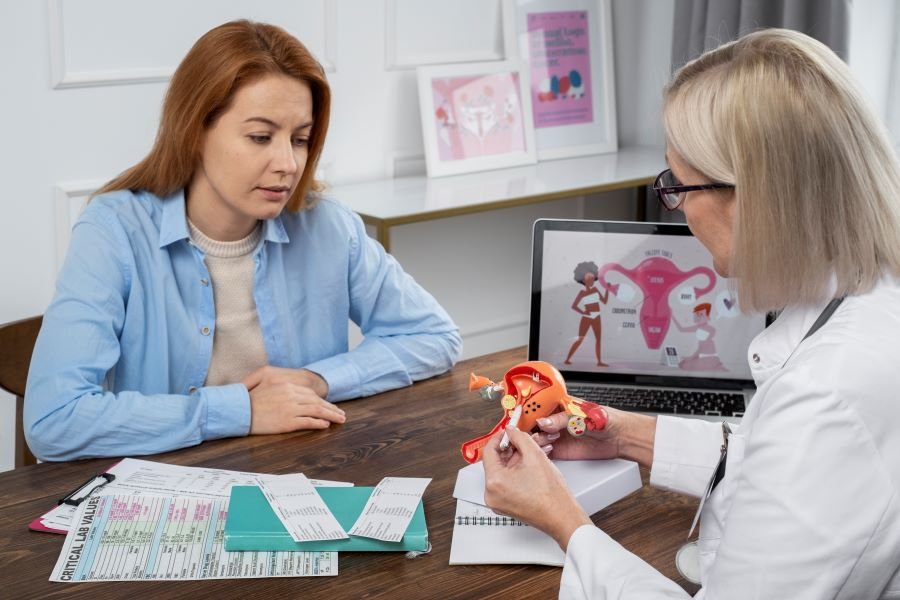
Have you ever heard of a decidual cast? This rare phenomenon can leave you astounded by the complexity of the human body. While it may sound like something out of a medical drama, a decidual cast is a real occurrence that many people don’t even know exists. For those who experience it, it can be a surprising and sometimes alarming event.
A decidual cast happens when the lining of the uterus (known as the endometrium) is shed in one piece, retaining the shape of the uterine cavity. This rare event is not often discussed, but it’s an important topic for anyone concerned with reproductive health. By delving into its causes, symptoms, and management, we can better understand this condition and empower individuals to take charge of their health.
In this blog post, we’ll explore everything you need to know about decidual casts, including their causes, symptoms, diagnosis, and treatment options. Let’s dive in.
What is a Decidual Cast?
Definition and Terminology
A decidual cast refers to the complete shedding of the uterine lining (endometrium) in one intact piece, which retains the shape of the uterine cavity. The term “decidual” comes from “decidua,” the medical term for the modified endometrial lining that prepares for pregnancy. Usually, the uterine lining sheds during menstruation in fragments, but in rare cases, it detaches and exits the body as a single, solid piece.
Appearance
A decidual cast often looks like a fleshy, intact mold of the uterine cavity. Its size can vary, but it typically resembles the shape of a pear or hollow triangle—the general shape of the uterus. The color ranges from pale pink to reddish-brown, and its texture can be rubbery or firm.
Imagine passing something that visually appears like a miniature model of your uterus. Understandably, this can be shocking for anyone who experiences it, especially if they’ve never heard of it before.
How Rare is It?
The occurrence of a decidual cast is quite rare. While there are no precise statistics due to its infrequency and underreporting, medical literature documents it as an uncommon phenomenon. People who experience it often mistake it for a miscarriage or a severe menstrual abnormality.
Who Can Experience It?
Anyone with a uterus can potentially experience a decidual cast, but it is most commonly observed in:
- Individuals on hormonal contraception, such as birth control pills or progesterone-based IUDs.
- Those who have recently experienced hormonal changes, such as pregnancy or miscarriage.
- Women of reproductive age, though it can occasionally occur in adolescents or perimenopausal individuals.
Causes of Decidual Cast Formation
Understanding the causes of a decidual cast can help provide clarity and reduce unnecessary anxiety. Several factors may contribute to its formation:
Hormonal Factors
The balance of hormones like estrogen and progesterone plays a crucial role in the menstrual cycle. An imbalance—especially an excess of progesterone relative to estrogen—can lead to the uterine lining detaching as a single piece.
Contraception Use
Hormonal contraceptives, particularly those that use synthetic progesterone (progestins), are a common factor in decidual cast formation. For example:
- Progesterone-only birth control pills or injections.
- Progesterone-releasing intrauterine devices (IUDs).
The artificial regulation of hormones can sometimes lead to abnormal shedding of the uterine lining.
Pregnancy-Related Factors
Early pregnancy complications, such as a chemical pregnancy or miscarriage, can sometimes result in the passing of a decidual cast. During pregnancy, the uterus undergoes a process called decidualization, where the endometrium thickens to support embryo implantation. If pregnancy does not progress, this lining may shed as a decidual cast.
Underlying Health Conditions
Certain reproductive health conditions may predispose a person to decidual cast formation. These include:
- Endometriosis: Excessive growth of uterine-like tissue outside the uterus.
- Polycystic Ovary Syndrome (PCOS): A hormonal disorder that disrupts ovulation.
- Adenomyosis: A condition where the uterine lining grows into the uterine muscle wall.
Stress and Lifestyle Factors
Emotional and physical stress can disrupt hormonal balance, potentially leading to abnormal uterine shedding. A poor diet, lack of exercise, and sleep deprivation can also contribute.
Other Causes
Medical procedures like endometrial biopsies, infections, or uterine trauma may also result in a decidual cast in rare cases.
Symptoms of a Decidual Cast
Passing a decidual cast can be a physically and emotionally intense experience. Here are the common symptoms associated with it:
Physical Symptoms
- Severe cramping or abdominal pain, often mistaken for intense menstrual cramps.
- Heavy vaginal bleeding or spotting.
- The passage of a large, intact tissue piece resembling the uterine cavity.
Emotional and Psychological Impact
- Anxiety and fear often accompany the experience, especially if the person is unaware of what a decidual cast is.
- It is frequently mistaken for a miscarriage, leading to emotional distress.
When Symptoms May Be Severe
In some cases, the symptoms can indicate an underlying health issue. Seek medical attention if:
- Pain becomes unbearable or does not subside after passing the cast.
- Bleeding is excessively heavy or prolonged.
- Decidual casts occur repeatedly.
Diagnosis and Medical Evaluation
When to See a Doctor
If you suspect you’ve passed a decidual cast, it’s a good idea to consult a healthcare provider. Seek immediate medical attention if you experience:
- Severe or persistent pain.
- Excessive or prolonged bleeding.
- Recurring decidual casts.
Diagnostic Procedures
To confirm the diagnosis, a doctor may perform:
- Pelvic Exam: To assess the condition of the uterus.
- Ultrasound: To rule out other conditions like fibroids or retained pregnancy tissue.
- Biopsy: A sample of the tissue may be analyzed to confirm its origin.
Differentiating It from Other Conditions
A decidual cast can resemble other conditions, such as:
- Miscarriage.
- Uterine fibroids.
- Retained products of conception after pregnancy.
Accurate diagnosis is key to ensuring appropriate treatment.
Treatment and Management of Decidual Casts
Immediate Management
- Over-the-counter pain relief (e.g., ibuprofen) can help alleviate cramping.
- Stay hydrated and rest to support your body during recovery.
Medical Treatments
- Hormone therapy, such as oral contraceptives, may be prescribed to regulate the menstrual cycle.
- Addressing underlying hormonal imbalances or conditions like PCOS may reduce the likelihood of recurrence.
Lifestyle Adjustments
- Incorporate stress management techniques, such as yoga or meditation, into your routine.
- Maintain a healthy diet and exercise regularly to promote hormonal balance.
When Surgery Might Be Needed
In rare cases, surgical intervention (such as dilation and curettage, or D&C) may be required to remove retained tissue or address complications.
Preventing Decidual Cast Formation
While it’s not always possible to prevent a decidual cast, certain steps can reduce the risk:
Hormonal Regulation
- Schedule regular gynecological check-ups to monitor your hormonal health.
- Discuss potential side effects of hormonal contraceptives with your provider.
Lifestyle Tips for Reproductive Health
- Maintain a healthy weight.
- Avoid smoking and limit alcohol consumption.
- Manage stress through mindfulness practices or therapy.
Decidual Cast and Emotional Well-Being
Normalizing the Experience
Passing a decidual cast can be a shocking and emotional event. It’s important to understand that this phenomenon, though rare, is not necessarily a sign of a serious medical issue.
Mental Health Support
If the experience leaves you feeling anxious or distressed, consider speaking with a therapist or joining a support group. Sharing your experience with others can help normalize your feelings and provide reassurance.
Myths and Misconceptions about Decidual Casts
Common Misunderstandings
- A decidual cast is not always indicative of a miscarriage.
- It is not necessarily caused by poor health or hygiene.
Social Media and Misinformation
Social media can spread misinformation, leading to unnecessary fear or stigma. Always seek information from trusted medical sources.
Conclusion
A decidual cast is a rare but fascinating phenomenon that highlights the complexity of the human body. While it can be alarming, understanding its causes, symptoms, and treatment options can help demystify the experience.
If you’ve experienced a decidual cast, know that you’re not alone, and medical help is available. Don’t hesitate to consult a healthcare professional for guidance or support.
Key Takeaway:
A decidual cast is a rare event where the uterine lining sheds in one intact piece. Though uncommon, it’s usually not life-threatening and can be managed with proper care.
