
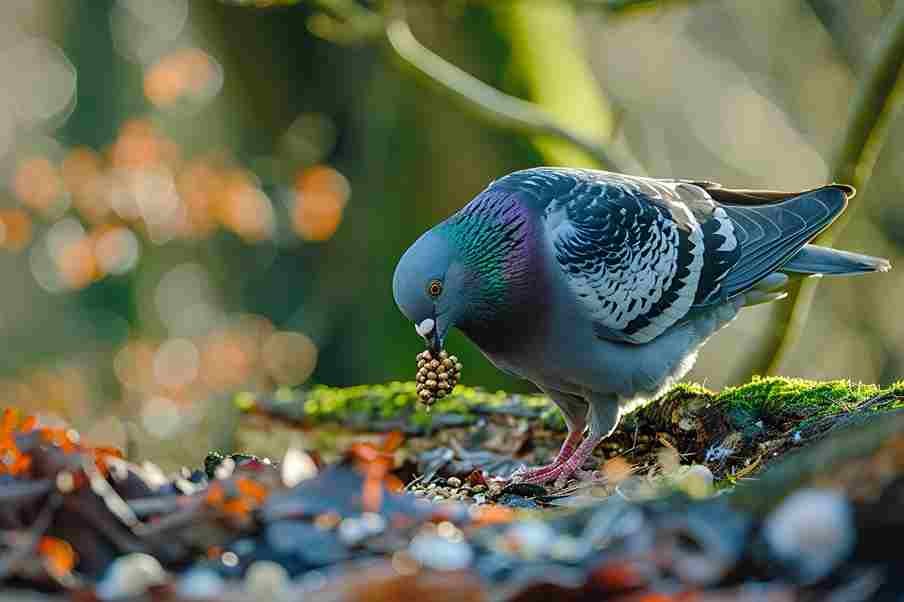
Have you ever spotted a dazed or injured bird in your backyard and wondered what to do next? For many, the urge to help is immediate, but uncertainty about the right steps can lead to hesitation or even unintentional harm. Every year, millions of wild birds in the United States are injured by window collisions, cats, cars, and storms. Learning how to care for injured wild birds can make the difference between life and death for these fragile creatures—while also ensuring your own safety and compliance with wildlife laws.
This comprehensive guide will walk you through every stage of helping an injured wild bird, from safe assessment and first aid to creating a temporary habitat and connecting with professional wildlife rehabilitators. You’ll learn how to recognize true emergencies, avoid common mistakes, and provide the best possible care until the bird can be transferred to experts. Whether you’re a nature lover, a parent, or simply someone who wants to make a difference, these steps will empower you to act with confidence and compassion. Share your own bird rescue stories in the comments below—your experience could inspire others to help, too.
Assess the Injury Safely
Signs of Injury vs. Normal Behavior
The first step in how to care for injured wild birds is to determine whether the bird truly needs help. Not every bird on the ground is injured—many fledglings leave the nest before they can fly well and are still cared for by their parents. However, certain signs indicate a bird is in distress and needs intervention:
- Fluffed feathers, labored breathing, or unresponsiveness: These can signal shock or concussion, especially after a window strike or predator attack.
- Drooping or dragging wings: May indicate a fracture or dislocation.
- Bleeding, visible wounds, or inability to stand: Clear signs of injury.
- Lethargy, eyes closed, or inability to flee: Suggests the bird is too weak or hurt to escape.
Use this quick checklist to help decide your next move:
| Sign | Likely Issue | Action |
|---|---|---|
| Lethargy, eyes closed | Shock/concussion | Warm, quiet box |
| Broken wing (hanging) | Fracture | No handling yet, prepare for transport |
| Bleeding | Wound | Minimal pressure only, no ointments |
Remember, fledglings (young birds with short tails and fluffy feathers) may be healthy even if grounded. Observe from a distance before intervening.
Safety First for You and the Bird
Wild birds can carry diseases such as salmonella and parasites, so always wear gloves when handling them. Approach the bird slowly and quietly to avoid causing further stress or injury. If the bird can still fly or hop away, it may not need help. Federal laws like the Migratory Bird Treaty Act protect most wild birds, so it’s illegal to keep them as pets or attempt long-term care without a permit. Your role is to stabilize and transfer the bird to a licensed wildlife rehabilitator as soon as possible.
Create a Safe Temporary Habitat
Building the Rescue Box
Once you’ve determined the bird needs help, the next step in how to care for injured wild birds is to create a safe, quiet environment for recovery. Here’s how to build a simple rescue box:
- Materials: Use a cardboard box with a secure lid (shoebox size for small birds, larger for bigger species). Line the bottom with a soft towel or paper towels—avoid loose threads that could tangle feet.
- No water or perch: Do not place a dish of water or a perch in the box, as these can cause drowning or further injury.
- Heat source: Injured birds often go into shock and need warmth. Place a heating pad set to low under half the box (never directly under the bird), or use a hot water bottle wrapped in a towel.
- Darkness and quiet: Cover the box with a light cloth to reduce stress. Keep the box in a quiet, draft-free room away from pets and children.
A diagram of the ideal box setup can help visualize this process: box with towel, heating pad underneath, lid with air holes, and no food or water inside.
Managing Shock and Temperature
Shock is a leading cause of death in injured wild birds. Signs include slow or shallow breathing, fluffed-up feathers, and unresponsiveness. Maintain the box temperature between 77–86°F (25–30°C) using your heat source. Never place the bird in direct sunlight or near air conditioning vents. Contrary to popular belief, do not force-feed water or food—this can cause aspiration pneumonia or choking. Instead, maintain humidity by placing a damp towel in the box (not touching the bird) if the air is dry.
Short-Term First Aid Basics
Handling Wounds and Bleeding
If the bird is bleeding, apply gentle pressure with a clean, lint-free cloth or gauze. Do not use ointments, creams, or bandages—these can do more harm than good and should be left to professionals. For obvious fractures, you can loosely immobilize the wing or leg with a popsicle stick and vet wrap, but only if you are confident and the bird is calm. Avoid over-handling; stress can be fatal.
Do NOT Feed or Give Water
One of the most common mistakes in how to care for injured wild birds is attempting to feed or water them. Birds have specialized diets, and improper feeding can lead to aspiration (inhaling food or water), which is often fatal. The only exception is if a wildlife rehabilitator instructs you to offer a tiny drop of electrolyte solution (like unflavored Pedialyte) on the tip of a toothpick for a severely dehydrated bird. Otherwise, wait for professional guidance.
Pain Management and Monitoring
Birds in pain may vocalize, grind their beaks, or become unusually still. The best comfort you can provide is a warm, dark, quiet environment. Avoid loud noises, bright lights, and unnecessary movement. Monitor the bird for 1–2 hours at most before arranging transport to a wildlife rehabilitator. The goal is stabilization, not long-term care.
Finding and Transporting to Professional Help
Locate Wildlife Rehabilitators
The most important step in how to care for injured wild birds is connecting with a licensed wildlife rehabilitator. These professionals have the training, permits, and resources to provide specialized care and maximize the bird’s chances of survival.
- Search online: Use terms like “wildlife rehab near me” or check your state’s Department of Natural Resources website.
- National organizations: In the US, the Wild Bird Fund (NYC), local humane societies, and state wildlife agencies maintain directories.
- Global resources: In the UK, contact the RSPCA; in Australia, WIRES or local vets can help.
If you’re unsure, call your local animal control or veterinarian for advice.
Transport Tips
- Secure the box: Tape the lid shut and ensure there are air holes. The box should be dark and escape-proof.
- Drive carefully: Keep the box level and avoid sudden stops. Maintain a comfortable temperature (85–90°F is ideal).
- Minimize stress: Do not open the box or handle the bird during transport. Play soft music if needed to calm the bird.
- Emergency situations: If you are hours away from help, call a rehabilitator for phone advice on interim care.
When to Euthanize (Humanely)
In rare cases, a bird may be so severely injured (e.g., gaping wounds, exposed bone, or a cat attack more than an hour prior) that humane euthanasia is the kindest option. Always consult a professional before making this decision. Never attempt to euthanize a wild bird yourself unless instructed by a licensed expert.
Species-Specific Care Tips
Baby Birds (Fledglings and Nestlings)
- Nestlings (no feathers or eyes closed): If you find a nestling, try to locate and return it to its nest. If the nest is destroyed, create a makeshift nest from a small basket lined with tissue and place it in a nearby tree.
- Fledglings (feathered, hopping): These young birds are learning to fly and are often best left alone unless in immediate danger. If you must care for one overnight, use a ventilated box with a towel and keep it warm. Do not feed unless instructed by a rehabilitator.
Common Backyard Species
| Species | Key Care Notes | Diet Holdover |
|---|---|---|
| Sparrow/Robin | Warmth is the top priority; no milk | Pinch of moist cat food |
| Hummingbird | Needs nectar tube, very fragile | Sugar water (1:4 ratio) |
| Raptor (Hawk) | Use gloves, strong talons | Do not handle wings |
Always research the species if possible and consult a rehabilitator for specific instructions.
Prevention and Long-Term Impact
Preventing bird injuries is just as important as knowing how to care for injured wild birds. Here are some tips:
- Keep cats indoors: Domestic cats are a leading cause of bird injuries.
- Install window decals or screens: These can reduce bird collisions by up to 70%.
- Support local wildlife: Plant native shrubs, avoid pesticides, and provide safe water sources.
If you run a pet care or eco-friendly business, consider offering wildlife-safe products or educational resources to your customers.
FAQs
How to care for injured wild birds at home overnight?
Place the bird in a ventilated box lined with a towel, keep it warm (77–86°F), and avoid feeding or handling. Transport to a rehabilitator as soon as possible.
What if the bird won’t eat?
Do not force-feed. Most injured birds will not eat due to shock. Focus on warmth and quiet until professional help is available.
Can I use ointment on a bird’s wound?
No. Ointments can harm feathers and skin. Only apply gentle pressure to stop bleeding.
How do I know if a bird is in shock?
Look for fluffed feathers, slow breathing, and unresponsiveness. Provide warmth and darkness.
What should I do if I find a baby bird?
Try to return it to its nest. If not possible, keep it warm and contact a rehabilitator.
Is it legal to keep an injured wild bird?
No. Most wild birds are protected by law. Only licensed rehabilitators can provide long-term care.
