
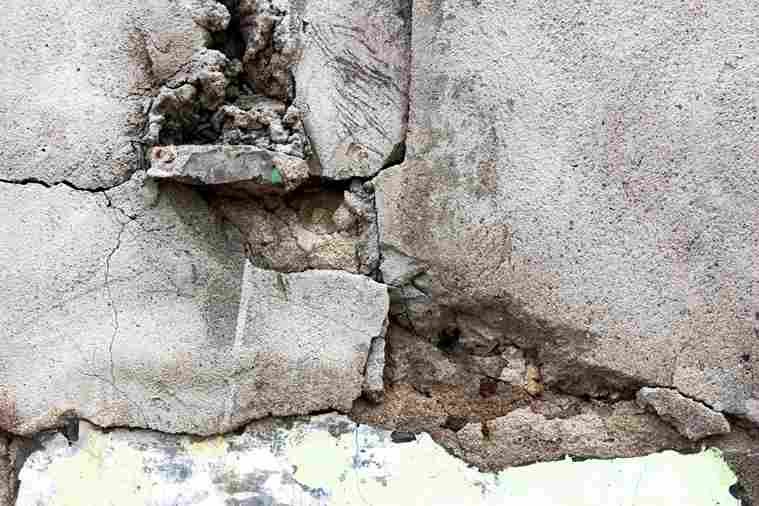
Have You Noticed Cracks in Your Home Foundation?
Did you know that nearly 60% of U.S. homes over 25 years old show cracks in home foundation? These cracks aren’t just unsightly—they can jeopardize your home’s structural integrity, lead to costly water damage, and reduce your property’s resale value by up to 10%. Whether you’ve spotted a hairline fracture or a wide gap, it’s essential to understand the causes, types, and solutions for foundation cracks.
This comprehensive guide will explore the most common types of cracks, their causes, how to assess severity, and steps you can take to fix and prevent further damage. Read on to learn how to protect your home and when to call in the professionals.
What Are Cracks in Home Foundation?
Definition and Importance of Foundation Cracks
Cracks in home foundation refer to visible fractures or separations in a building’s concrete or masonry foundation. These cracks can occur for various reasons, ranging from soil movement to temperature fluctuations. While some cracks are minor and purely cosmetic, others can signal significant structural issues that require immediate attention.
The key reasons to address foundation cracks include:
- Preserving Structural Integrity: Left unchecked, cracks can widen, compromising your home’s stability.
- Preventing Water Damage: Cracks allow moisture to seep into your home, leading to mold and rot.
- Maintaining Property Value: Visible cracks reduce curb appeal and can make buyers hesitant.
How to Access Information About Foundation Cracks
To better understand the specific cracks in your home foundation, start with these resources:
- Inspect your foundation visually and note the type and size of cracks.
- Search for reliable online guides like those from This Old House and Foundation Supportworks.
- Consult a structural engineer or foundation repair specialist for a professional evaluation.
Types of Cracks in Home Foundation
Not all foundation cracks are created equal. Understanding their type and severity is key to determining whether they require minor fixes or major repairs.
| Type | Description | Width/Shape | Concern Level |
|---|---|---|---|
| Hairline Cracks | Thin, often due to shrinkage during curing. | Straight, <1mm | Low (cosmetic) |
| Vertical Cracks | Caused by settling or minor soil movement. | 1/8-1/2 inch | Medium |
| Horizontal Cracks | Often due to lateral pressure from soil or water. | >1/4 inch | High (serious) |
| Diagonal/Stepped Cracks | Appear at 30-45° angles; indicate uneven shifting or heaving. | Wider at top | High (serious) |
| Wide Cracks | Gaps larger than 1/2 inch; can allow water penetration. | Any shape | Critical |
Identifying Crack Severity
- Low Concern: Hairline cracks less than 1/16 inch wide, often caused by natural shrinkage.
- Moderate Concern: Vertical cracks up to 1/2 inch wide, typically due to settling.
- High Concern: Horizontal or diagonal cracks wider than 1/4 inch, indicating structural stress.
- Critical Concern: Wide cracks greater than 1/2 inch or multiple types of cracks combined.
Understanding the type of crack is the first step in determining the appropriate repair method.
Common Causes of Cracks in Home Foundation
Soil Movement and Settling
Soil movement accounts for nearly 50% of all foundation cracks. Expansive clay soils swell when wet and shrink when dry, causing the foundation to shift. Homes built on unstable soil are particularly susceptible.
Water Issues and Poor Drainage
Excess moisture from poor drainage or leaks creates hydrostatic pressure against your foundation, leading to cracks. Signs include wet spots on walls, increased water bills, or water pooling near your home.
Temperature Fluctuations
In colder climates, freeze-thaw cycles cause water in concrete to expand, creating cracks over time. This is common in regions with harsh winters.
Tree Roots and Vegetation
Trees and large shrubs planted too close to your home can displace soil as roots grow, leading to uneven pressure on the foundation.
Construction Flaws
Poor construction practices, such as inadequate reinforcement or improper concrete mixing, can result in weak foundations prone to cracking.
Signs That Foundation Cracks Are Serious
Not all cracks require urgent attention, but there are clear signs that indicate a serious problem:
- Sticking Doors or Windows: Misalignment can signal foundation movement.
- Uneven Floors: Warped or sloped flooring is a red flag.
- Widening Cracks: Cracks that grow over time or allow water intrusion.
- Gaps Between Walls and Ceilings: Separation in corners or along edges.
Ignoring these warning signs can lead to costly repairs ranging from $500 to over $20,000.
Steps to Diagnose Foundation Cracks
DIY Inspection Checklist
- Inspect the Exterior: Walk around your home and look for cracks in visible foundation areas.
- Measure Width: Use a crack gauge or ruler to monitor changes over time.
- Check for Water Intrusion: Look for damp spots, mold, or efflorescence near cracks.
When to Call a Professional
For severe or growing cracks, hire a structural engineer or foundation specialist. A professional inspection typically costs $300-$800 but can save thousands in future repairs.
Repair Options for Cracks in Home Foundation
DIY Repairs for Minor Cracks
- Caulk or Sealant: Best for hairline cracks; costs $0.50-$2 per square foot.
- Hydraulic Cement: Ideal for small vertical cracks; apply after cleaning and widening the crack.
Professional Repairs for Serious Cracks
| Method | Best For | Cost | Durability |
|---|---|---|---|
| Epoxy Injection | Vertical cracks <1/4″ | $500-$1,500 | 10+ years |
| Polyurethane Foam | Slab lifting | $5,000-$15,000 | Lifetime |
| Wall Anchors | Horizontal cracks | $800-$2,000 per | Permanent |
| Full Replacement | Severe structural issues | $20,000+ | N/A |
DIY Warning
While minor cracks can be fixed at home, structural cracks require professional attention. Attempting to repair major damage without expertise could worsen the problem.
Prevention Tips for Cracks in Home Foundation
- Ensure Proper Drainage: Install gutters and downspouts to direct water away from your foundation.
- Grade Soil Correctly: Maintain a 6-inch slope away from your home.
- Plant Strategically: Keep trees and large shrubs at least 10-20 feet away from your foundation.
- Monitor Moisture Levels: Use soaker hoses during dry seasons to prevent soil shrinkage.
FAQs About Foundation Cracks
Are All Cracks in Home Foundation Dangerous?
Not all cracks are serious. Hairline cracks are often cosmetic, but wider or growing cracks require attention.
How Do I Fix Small Cracks in My Foundation?
For minor cracks, clean the area and apply a sealant or hydraulic cement. Monitor regularly for changes.
When Should I Call a Professional?
Call a professional if cracks are wider than 1/4 inch, horizontal, or accompanied by other structural issues like sticking doors.
Conclusion
Foundation cracks are a common concern for homeowners, but taking early action can save you thousands of dollars in repairs and protect your home’s value. Whether you’re dealing with hairline fractures or wide gaps, understanding the causes, types, and solutions is key to maintaining a safe and sturdy home.
Schedule an inspection today to address any concerns about cracks in your home foundation. Protect your investment before minor issues become major problems.
